

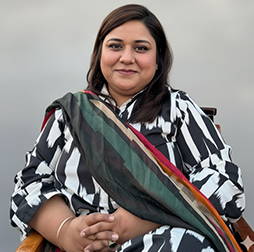

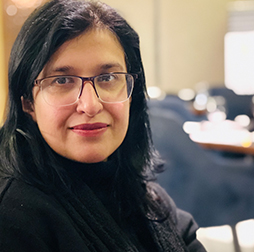
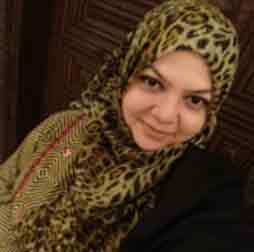
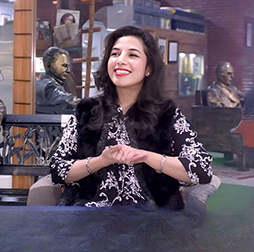
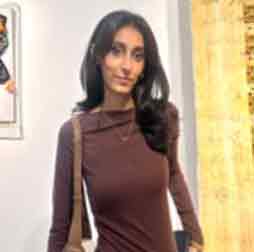


Aaisha Mushtaq holds a Master’s degree in Printmaking from the College of Art and Design, University of the Punjab. She has been teaching art for over a decade. She also works as a freelance book illustrator.
احمد حاطب صدیقی (پیدائش: 3 فروری 1956ء) ایک پاکستانی کالم نگار، مزاح نگار، شاعر اور بچوں کے ادیب ہیں، بچوں کے لیے شاعری بھی کرتے ہیں، ان کی نظم یہ بات سمجھ میں آئی نہیں بہت مشہور ہوئی ہے۔[1] حاطب صدیقی کی وجہ شہرت ان کی مزاح نگاری بھی ہے۔ ابونثر کے قلمی نام سے ایک طویل عرصے سے پُرمزاح کالم لکھ رہے ہیں۔حکومت پاکستان کے فیڈرل بورڈ کے نصاب میں جماعت اول تا جماعت پنجم، اُردو کی کتب میں احمد حاطب صدیقی کی لکھی ہوئی نظمیں اور کہانیاں شامل ہیں۔ بھارت کے نصابی ادارے مجلسِ تدوین و ترتیب درسیات نے بھی ان کی مشہور نظم یہ بات سمجھ میں آئی نہیں جماعت پنجم کے نصاب میں شامل کی ہے۔ اس کے علاوہ فیروز سنز سمیت متعدد نجی نصابی اداروں نے بھی اپنی نصابی کتب میں احمد حاطب صدیقی کی نظمیں اور کہانیاں شامل کی ہیں۔ بین الاقوامی اسلامی یونیورسٹی اسلام آباد سمیت ملک بھر کے متعدد تعلیمی اداروں اور تعلیمی تنظیموں کی طرف سے منعقد کی جانے والی تربیت گاہوں میں اب تک 1500 سے زائد لیکچر دے چکے ہیں۔
Ali Raza is a dedicated Coach Mentor at the Pakistan Literacy Project, with a profound commitment to promoting literacy and cultivating a love for libraries, reading, and storytelling. His mission is to ignite a lifelong passion for learning among young minds, guiding them on their educational journey with inspiration and support. As a Coach Mentor, Ali has trained over 1,000 teachers in effective library management, equipping them with the tools to create enriching and accessible learning spaces for students.
His background in theater brings an engaging, creative dimension to his mentoring approach, transforming learning into a captivating and interactive experience for children. Ali believes in the transformative power of storytelling to spark imagination, build foundational skills, and foster a deep love for education among young learners.
Amna Faiz is a graduate of NUML, Islamabad, specializing in English Literature and Linguistics. She has written stories exploring social themes and human emotions. Recently, she has focused on children’s literature, creating imaginative stories that promote learning and social values.
Aansa Riaz is a PhD scholar at the University of Western Sydney, Australia, with a professional background in Pakistan’s development sector. A passionate reader since childhood, her love for literature naturally led her to writing. She believes that stories have the power to unlock unseen worlds, offering each reader a unique and personal experience. In today’s digitally saturated age, she advocates for the importance of storybooks as a vital tool to nurture and protect young minds.
Abia Akram is an internationally recognized disability rights advocate and one of BBC’s 100 Women (2021). As a member of the Council on the Rights of Persons with Disabilities at the Ministry of Human Rights, she has played a key role in advancing inclusive legislation, including the Disability Rights Act 2020.
She is the founder of the National Forum of Women with Disabilities and leads several regional networks, including serving as Chair of the Asia Pacific Women with Disabilities Network and Trustee on the Sightsavers Global Board. With experience working in 30+ countries, Abia has been a leading voice for accessible development, inclusive policies, and the rights of women with disabilities.
Her work continues to drive global conversations on inclusion, safety, and empowerment in digital and physical spaces.
Arooj Khalid is a climate and girls’ education activist. She completed her Master’s in Education Policy from Harvard University and currently works to improve access and quality of education for marginalized groups at Idara-e-Taleem-o-Aagahi.
She is also a Fulbright Scholar and an Acumen and Malala Fund Fellow. Previously, she has represented Pakistan’s education sector on intergovernmental platforms, impacting thousands of children through her work with the Malala Fund, TCF, and Science Fuse. Arooj is a member of the Board of Directors at Youth Journalism International and an aspiring children’s author.
Dr. Arooj Mujeeb (Co-founder and Director Research at Abilities Ignite Educational Foundation) is an academician with over 15 years of teaching and research experience at renowned institutions including Quaid-e-Azam University, Bahria University, and SZABIST. She holds a PhD in Psychology, is a member of the American Psychological Association, and has received advanced training in pedagogy from the University of Nebraska Omaha.
Athal Khan is a skilled musician and vocalist with a strong background in live performances. He has had the opportunity to perform at numerous concerts all over Pakistan, where he combined his vocal abilities with guitar playing to create engaging live shows. His passion for music drives him to continuously improve and connect with audiences through my performances. He is dedicated to delivering high-quality music and sharing his art with listeners everywhere.
Atif Badar is an exceptionally versatile actor with a wealth of experience spanning various domains. From theater, voice-overs, and screen acting to his role as an acting coach, drama teacher, storyteller, writer, director, drama therapist, dramatic reader, and even a culinary expert, Atif’s career is a testament to his multifaceted talents. His journey commenced in 1993 when he embarked on his acting career with Tehrik e Niswan. Currently, Since 2010 Atif serves as a theater and creative movement teacher in well esteemed schools and college in Karachi. His tenure also includes as an actor for four years with the Katha Theatre Group. As a theatre drama teacher he directed and conceptualized over 130 Long and Short Plays over 13 years, with 25 of them being his original creations. Four of his theater plays have earned the distinction of best play awards. He also worked for Adab Festival and Karachi Literature Festival. Few years ago Atif received PLF award for his best work for Pakistan Learning Festival.
Mr. Arshad Mahmood has been associated with the development sector for over 20 years. Mr. Mahmood has experience in programme development, quality and management, monitoring and reporting progress, conducting situation analysis for evidence based advocacy and campaigning, media and communications and research for rule of law related topics and human and child rights issues including child protection, child and bonded labour, early and forced marriages, education including girls education, child survival and nutrition, implementation of the UN CRC Concluding Observations and Recommendations, SDGs, rule of law, governance and civil society strengthening and capacity building of duty bearers etc. at the national and international level. Mr. Mahmood have experience of heading Program Teams including Governance, Civil Society Strengthening, Child Protection, Child Rights Governance, Advocacy and Communication teams at the International NGOs such as Save the Children International and Save the Children UK and Contractors such as DAI and Coffey International.
Baela Raza Jamil, CEO of Idara-e-Taleem-o-Aagahi (ITA) centre for education and consciousness and the founder of the Children’s and Teachers’ Literature Festivals in Pakistan as a social movement called the Pakistan Learning Festival. She is an avid promoter of publications for children- a growing portfolio under ITA. A public policy advocate, for right to education 25A, ECCE, girls’ education and empowerment and public private partnerships, Baela leads the Learning initiative of ASER Pakistan, and foundational learning program Chalo Parho Barho(CPB)/ Teaching at the Right Level (TARL). She represents Pakistan as an advisor and board member for Education & Learning innovations at national and global levels.
Beenish Khalid is a visual artist and graduate of the National College of Arts, specializing in miniature painting. She currently teaches at NCA Rawalpindi and has exhibited her work nationally and internationally. Her art reflects social and personal experiences, exploring themes of connection and expression.
Bibi Ameena currently serves as Deputy Director (Academics) at Pakistan Academy of Letters. She boasts sixteen years of teaching, research and administrative experience and has presented papers at both national and international conferences. She has contributed seventeen research and forty general articles to renowned journals. She played a vital role in reviewing the syllabus and curriculum of the USAID-funded Pakistan Reading Project as a subject expert. She has also developed the syllabus and curriculum for Urdu language and linguistics at the International Islamic University, Islamabad. Furthermore, she is the author of four books. Her book ‘Urdu Lughat (Tareekhi Usool Per) : Tehqeeqi aur Tanqeedi Mutalia’ received the prestigious 2020 Baba-i-Urdu Maulvi Abdul Haq Award for research and criticism from the Pakistan Academy of Letters.
Bilal Khalid is an educationist, climate activist, performing artist and kitchen-gardening trainer who brings together creativity, environmental awareness and practical skills to make learning come alive. He spends much of his time working with schools and community groups, especially children from underprivileged backgrounds, helping them learn through storytelling, performance and hands-on activities that feel real, joyful and relevant to their everyday lives.
At Khalid Public School, Bilal has led several initiatives focused on climate literacy, kitchen gardening and simple habits that encourage sustainable living. The curriculum he develops weaves together stories, creativity and practical tasks, giving children a clear understanding of how the environment works, how food grows and how their own choices can shape a healthier, more caring community.
Dur E Najaf Zahra is a passionate gender rights advocate, climate activist, social impact leader, and an emerging scholar, committed to advancing equality and empowering marginalized communities in Pakistan. Coming from a remote area of South Punjab, Khangarh, she overcame significant patriarchal barriers to pursue her education at Lahore College for Women University, where she completed her degree in Gender and Development. Her resilience has inspired many young girls from her hometown to pursue higher education.
With over seven years of experience in social activism and youth leadership, she has contributed to multiple projects and initiatives. She is currently an MPhil scholar at Quaid-e-Azam University, where her research focuses on Climate and Gender Justice. She is also serving as President of the Gender Studies Society. Previously, she has worked on issues related to transgender rights and gendered conflict dynamics.
A vocal advocate for women’s leadership and positive masculinities, she recently founded Saah Rise — a platform to unpack the stories of grassroots women leaders, train more women for leadership, and highlight the role of positive masculinities along with the struggles faced by transgender individuals in Pakistan. Professional, articulate, and driven by lived experiences, she believes in creating meaningful change through activism, dialogue, storytelling, and critical engagement.
Life motto: “Higher risk, higher reward.”
Eman Obaid(b.1998) is a visual artist based in Rawalpindi, Pakistan. She has been working as an independent fine artist, alongside exhibiting her work nationally and internationally. Her prior work has greatly influenced her work while doing the book project.
Fahad is a versatile education professional with over 13 years of professional experience. His experience across various education projects in Pakistan and Saudi Arabia has consistently demonstrated his aptitude for driving positive change through data-driven insights, innovative solutions, and meaningful stakeholder engagement. His previous roles at organisations such as CERP, Mott MacDonald, and DAI showcase his strong track record in project leadership, research, monitoring & evaluation, and learning. Fahad’s global experience includes collaborations with donors like the World Bank, USAID and DFID, where he contributed to high-impact projects aimed at improving educational and social outcomes across Pakistan and beyond.
Farah Naz Akbar serves as a Member of the National Assembly of Pakistan and the Parliamentary Secretary for the Ministry of Federal Education and Professional Training, as well as the National Heritage and Culture Division. In her parliamentary role, she contributes to several key committees, including the Standing Committee on Federal Education and Professional Training, the Standing Committee on Foreign Affairs, the Standing Committee on National Health Services, and the Parliamentary Caucus on Child Rights.
With a strong background in educational leadership, she has served as Principal of leading private educational institutions, where she introduced innovative learning programs and initiatives aimed at holistic student development, character-building, and community engagement. Her work reflects a long-standing commitment to creating safe, informed, and empowering environments for children and young people.
Beyond the education sector, Farah Naz Akbar has been actively involved in social welfare and youth empowerment. As President of the Girls Guide Association (ICT), she has championed leadership development, safety awareness, and confidence-building among young girls. Her community initiatives—including support for underserved areas through essential services—demonstrate her dedication to strengthening communities and improving access to opportunities.
Her diverse experience across education, youth development, community engagement, and public policy positions her as a strong advocate for promoting digital safety, responsible online behavior, and safeguarding children and young people in an increasingly connected world.
As a seasoned Digital Safety Trainer and industry professional, I offer a robust skill set honed through my current role as the Manager of Advocacy and Reporting at ITA. my primary focus lies in equipping individuals with essential digital literacy skills and ensuring their safety in the online realm. With a background in training, student counseling, and career guidance, I have successfully empowered individuals to navigate the complexities of the digital landscape. Proficient in strategic planning and effective communication, I am dedicated to fostering a safer online environment. My goal is to contribute to the enhancement of digital safety through a proactive and informed approach. I welcome the opportunity to connect and explore how my expertise can be a valuable asset in fortifying digital safety measures.
Farzeen Lehra is a renowned writer, social media influencer, and storyteller from Pakistan. Her work in humor and children’s literature is known for its simplicity and impact. She engages children through storytelling and creative writing, fostering positivity and confidence.
Fatima Jaffar is a human rights activist, who has a diverse working background in the protection of child/women’s rights. She is a Psychosocial counseling expert for youth and victims of GBV/child abuse. She used to conduct mental health and mindfulness activities. She worked for the mainstreaming of Juveniles, children with incarcerated families, and children in labor. She is Alumni of the Exchange program “International Visitor Leadership Program (IVLP)” to America on coalition building for Gender-Based Violence. She is leading a project on Child labor since 2017 in Idara-e-Taleem-o-Aagahi (ITA) to provide education and life skills for adopting alternate earning resources. She will serve PLF as team lead for volunteer management, Registration desk, feedback, and evaluation and also will be in charge of the ITA stall.
Fauzia Minallah is a prominent and a well known artist, author, photographer, environmentalist activist and a political cartoonist based in Islamabad. She is also the founder of Funkor Child Art Center. She has been painting since the age of 12 when she was a student of SS Haider (an eminent artist from Peshawar). She likes to think of her art as windows to the soul that reflects inner emotions. Fauzia Minallah’s passion for art and books is an outcome of her activism for heritage, conservation, environmental and social matters. Through children’s literature she raises issues of peace, tolerance and justice. Her involvement with children is through the platform of Funkor Child Art Centre, carrying out art and book reading workshops for children living in shanty towns, for special children; refugee and Internally Displaced children (IDPs) and so on. Funkor was short listed for the Bremen Peace award in Germany in 2009, as one of the nominated projects and organizations, which are exemplary in their work for peace, justice and integrity of creation for democratizing art education and making it accessible to kids from low-income families, so that they too can playfully discover their own creativity.
Fizza Choudhary is an inspiring young woman fighting against patriarchal norms and empowering girls.
As a Criminologist and Monitoring and Evaluation Manager for Aawaz II Project at Idara-e-Taleem-o-Aagahi, Fizza embodies determination and hope for gender equality and women’s empowerment.
A vocal advocate against Gender-Based Violence (GBV), she is a sought-after speaker, shedding light on critical issues and inspiring change.
Gulshan Ashfaq has 13 years of experience in the development sector and she has 5 years with ITA,
working under the Project of Pakistan Literacy Project (PLP) and PEF, PEIMA and PSRP Schools. She is an expert in Storytelling, Life Skill based education and Library Management. She will be leading the Storytelling sessions in Pakistan Learning Festival Islamabad.
Haleema Sadia is an illustrator and visual artist from Rawalpindi, Pakistan. Inspired by miniature painting and Japanese anime, she brings stories to life through vibrant colors and expressive characters. This is her first venture into children’s literature.
Hira Ata is a self-taught illustrator with over seven years of experience in children’s books. Her illustrations bring characters and stories to life with warmth and cultural depth. Through her art, she explores themes of connection, care, and identity.
My name is Iqra Ahmed. I am a public speaker, researcher, and cultural entrepreneur passionate about social impact, women’s empowerment, and arts.
I have worked as a researcher for Momentum for Women Empowerment in Balochistan and volunteered with the World Bank on initiatives supporting women’s rights. I have also played a major role as a speaker at Buland.
I am also the founder of Khanabadosh Kahani, where I lead and organize Urdu literary events across Islamabad and Lahore, as well as destination events and theme-based retreats in Northern Pakistan for big organizations, creating immersive experiences that celebrate storytelling, culture, and community.
Beyond advocacy and literature, I am also a comedian and guitarist, bringing humor, music, and creativity into all my work.
Jalal Haider is a pioneer of Pakistan’s fitness industry with over 41 years as the anchor and expert of PTV’s longest-running sports and fitness show. Known nationwide as Sir Jalal, he introduced the first Health & Wellness visual sports channel for FDE and private schools and has worked closely with three Prime Ministers of Pakistan. A 7th Dan Black Belt and multiple-time member of Pakistan’s National Taekwondo Team, he has trained elite forces including SSG, SSW, the US Marines, and the French Police in unarmed combat and self-defense.
Javed Ahmed Malik has worked on social transformation programs in past 20 years in Pakistan and abroad and till recently was the Pakistan Director of Democracy Reporting International working with Parliaments, ministries and civil society to strengthen parliamentary oversight of public policy at the Federal and provincial level.
Javed led DFID’s largest £450M Education program in the world in Punjab for seven years (2009-16) while leading Chief Ministers Education Reform Roadmap delivering rapid transformational progress in a system of 54000 school bringing back additional 2 million out of school children, improving learning levels and achieving major efficiency gains at school level. Javed is doctorate fellow at Institute of Policy Research, University of Bath and is a graduate of Heller School for Social Policy and Management at Brandeis University, Massachusetts, USA.
Joshua Dilawar is from the Institute for Social and Youth Development (ISYD), National Coordinator of YPEER Pakistan, member of the Prime Minister’s National Youth Council. working on youth empowerment, meaningful youth engagement, gender equality, and reproductive health and rights. Drawing inspiration from his theatre background, Joshua has used art and digital campaigns to cultivate human rights dialogues and call for greater sexual and reproductive health rights (SRHR) education – empowering young women in particular to have agency over their own bodies.
Joshua’s innovative methodologies are wide in scope with a unifying underlying theme of education in its many forms as a tool for peace and advancement of gender equality. In recognition of his work on gender equality, SRHR and towards the elimination of gender-based violence, Joshua was awarded with the Bill and Melinda Gates Institute’s Youth Leadership Award, Youth Icon Award and Prime Minister’s Youth Excellence Award.
Ms. Kanwal Ejaz (Gold Medalist & Social Activist) Serving as a Lecturer of Social Sciences at NEI, Also as Director of PCF. I am a prominant speaker in the field of civic engagment and leadership. I have more than 15 publication in the field of social work.
Kanza is a professional with around six years of experience in the field of education. The scope of her work spans from inclusive education, advocacy, project management, and consultancy. Previously, she has worked as as a consultant for a private education institution conducting research to develop a vocational education program for children with disabilities. She currently works as a Senior Research Associate at Idara-e-Taleem-o-Aagahi (ITA).
She holds a BSc. in Social Sciences and Liberal Arts from the Institute of Business Administration Karachi, and a Master’s in Education Leadership, Organizations, and Entrepreneurship from Harvard University.
Kazim Saeed, Chairman ITA, is a policy and strategy professional focusing on economic development. For over twenty years, he has provided energy policy advice to governments with the World Bank.
Over the past decade, he has built new business models for growth in agriculture with Pakistan’s largest business groups, ADB, USAID, FAO, etc., and serves on the boards of pioneering companies: Naimat Collateral and Khushhaal Kissan. Kazim Saeed’s award-winning book Dou Pakistan: Har Pakistani Gharanay Tak Khushhaali presents a comprehensive strategy for delivering prosperity to every Pakistani household by Pakistan’s 100th birthday in 2047.
Khurshid Khan is a social activist and educationalist having professional experienced of around 10 years. He is the co-founder and CEO of TEAM and “Content Writer-TaleemART” as well as working as a teacher in elementary and secondary education department Peshawar. He also worked with Laajverd on environmental conservation and climate change in Gilgit Baltistan and is a team member of cross cultural studies on Kalash Community District Chitral.
Lala Rukh Raffi is an education expert and passionate advocate for reading. With over 20 years of experience designing child-centered, inclusive learning programs across Pakistan, she believes children learn best through creativity, curiosity, play, and imagination. Inspired by her faith in the power of stories, her picture book celebrates empathy, wonder, and discovery, inviting children to dream, question, and create. Her work integrates psychosocial support, gender and disability inclusion, life skills, and social-emotional learning. She works closely with education authorities and communities to make schools inclusive, joyful, and protective spaces for all learners.
Maawa Nabi Bangash is a 7-year-old storyteller and illustrator who once felt a little shy too. She wrote this book to share her journey and to help other kids find their own courage. This is her first book, and she might have more Marmalade adventures on the way.
Muhammad Arif is the Principal of Islamabad Model College for Boys, Jaba Taili. With extensive experience in teaching and curriculum development, he is dedicated to nurturing young minds. His stories inspire curiosity, kindness, and a love for learning.
Maria Riaz is a Pakistani children’s book creator, illustrator, and trainer whose work celebrates diversity, emotional awareness, and local culture. She has created around forty children’s books for organizations such as Room to Read, The Asia Foundation, and Aga Khan University. Founder of WHY Books Pakistan, Maria focuses on inclusive stories that empower young readers. A graduate of the National College of Arts with training from RISD, she also mentors aspiring illustrators and educators through workshops and book development programs. Her vibrant storytelling nurtures imagination, empathy, and pride in South Asian identity.
Meerab is a graduate of Quaid-e- Azam University, Islamabad and is a dedicated development professional with a proven track record in project management and women’s empowerment. She excels at designing and leading initiatives that promote gender equality, digital literacy, and educational access for marginalized communities. Her expertise includes strategic partnership development, stakeholder engagement, and end-to-end project execution from planning to donor reporting. Through roles at organizations like Idara-e-Taleem-o-Aagahi, Pak Mission Society and Teach For Pakistan, she has consistently driven impactful change for women and youth.
Abrar is an edtech professional with 3+ years of experience designing large-scale student programs and climate-focused learning models. He previously led the highly successful Headstart Model COP, which has become a reference point for experiential climate education. His expertise in structuring interactive, impactful youth programs plays a key role in shaping the design of this session and supporting students in developing informed, collaborative climate solutions.
Nazia Rehman is an editor with over 20 years at the National Book Foundation. She has led publications and literary events nationwide. Her work highlights children’s literature and cultural storytelling.
Qumnber Abidi is the Founder and CEO of Abilities Ignite Educational Foundation (AIEF). With over 12 years of experience in education, program development, and inclusive learning, he has led numerous initiatives promoting accessibility, teacher capacity-building, and early childhood education across Pakistan.
He has designed and facilitated trainings, workshops, and learning programs for educators, school leaders, and social organizations, focusing on inclusive education, empathy-driven classrooms, and leadership for social change. His vision for AIEF is rooted in the belief that inclusion is not an adjustment—it is the foundation of good education.
Rabia Zafar is a crafter, illustrator, and art instructor from Islamabad who brings stories to life through paper and texture. Influenced by the whimsical charm of Kelly Pousette, her art celebrates creativity, imagination, and the joy of handmade expression.
Rebah is a STEAM instructor at Oxbridge Innovative Solutions with extensive experience in space education, environmental awareness programs, and student mentorship in science communication. Having collaborated with organizations such as World Space Week and WWF,focuses on designing learning experiences that connect climate challenges with space and satellite technology. With a strong commitment to sustainability education she empowers young learners to understand environmental issues and develop innovative, tech-driven climate solutions.
Rafia is a visual artist from Pakistan and a graduate of the National College of Arts (NCA). Her practice centres on traditional art, exploring painting and mixed media. She has exhibited in Pakistan and internationally, including at the Pakistan National Council of Arts, Arcade Gallery, Artcade Gallery, CICA Museum (South Korea), Boomer Gallery (London), The Holy Art (Seoul), Intercontinental Biennale (Brazil), and Social Arts Gallery (Dubai), among others. Rafia has also been a resident artist at Studio A for three years, where she led workshops in painting and illustration and worked on projects with UNDP, WIBCON 2024 (PSTD), and the Saudi Embassy (UAE Event, 2024). Her publications include features in Gulf Today (2025). In 2025, she participated in the Lahore Residency Programme, organised by Studio A and Chaap Global Magazine in collaboration with Chenone Hotels and Resorts.
Ms. Riffat Jabeen is the Director of Academics at the Federal Directorate of Education (FDE), where she manages academic programs for over 432 educational institutions in Islamabad territory, serving around 226,000 students. With expertise in Applied Psychology and Science Education, she has been at the forefront of curriculum development, centralized examinations, and professional development programs. Her leadership in initiatives such as the Tele-School program during the COVID-19 pandemic has significantly impacted education access.
During the development of the National Assessment Framework, her input and valuable suggestions were instrumental in shaping the final policy document. She has led innovative projects such as the Tele-School initiative, providing education to millions of students. She has pioneered several initiatives to improve literacy, STEM education, and blended learning in Pakistan.
Sabahet N.Qureshi is an insightful writer and a perceptive communications expert with extensive experience in Education, Journalism, Law, and Human Rights. She has not only contributed valuable content to print and digital media but has also successfully hosted several programs on private television channels. Sabahet believes in bringing positive social change through storytelling and purposeful dialogue.
Saleha Sadaf is a Graphic Designer specializing in print, branding, and digital design, and has recently begun her journey in illustration. She is currently associated with a think tank in Islamabad. She holds an MPhil in Mass Communication along with diplomas in Creative and Fashion Design.
Filmmaker and Anthropologist
Since completing her MPhil in Anthropology and Development from the University of Cambridge, UK, Samar Minallah Khan has dedicated her career to challenging child marriages and various culturally sanctioned forms of violence against women and girls. Her work has earned her national and international recognition, with media referring to her as “The Savior of Souls,” “Woman Who Rocks the World,” and “The Crusader with the Camera.”
In parts of Pakistan, a harmful practice known as Swara involves giving away girls as compensation to settle disputes or pay for crimes committed by male family members. The receiving family often subjects the girl to forced marriage or lifelong servitude. For generations, this practice remained unchallenged—until Samar Minallah Khan used her camera to inspire change.
In 2003, Samar produced a groundbreaking documentary on Swara, aiming to raise awareness of the brutal custom and to galvanize policymakers to take action. Her campaign played a pivotal role in the criminalization of Swara in Pakistan in 2004, leading to the rescue of dozens of girls. She also filed the first Public Interest Litigation in the Supreme Court of Pakistan, challenging compensation marriages and illegal Jirga rulings.
Samar’s work has been honored with numerous national and international awards, including the Vanguard Award (2015), DVF Award (2015), Women With Wings (2014), Roberto Rossellini Award, Canon Premio Internationale, Vital Voices Global Leadership Award, Pakistan Women’s Day Award, Asia Society Young Leader Award, Asia Foundation’s Chang-Lin Tien Fellowship, and the Perdita Huston Award. She has also been recognized at the Cannes Film Festival, Google, and the Commonwealth Innovation Awards.
With extensive experience collaborating with the United Nations and other international organizations, Samar is passionate about producing culturally relevant, research-based media that drives social change. She also serves on the boards of several esteemed organizations.
Sajjad Hussain Changezi is a Rotary Peace Fellow with a master’s degree in Global Studies from the University of North Carolina at Chapel Hill. He currently serves as Manager at Tabadlab, where he leads multiple education research projects in partnership with organisations such as FCDO, the World Bank, Cambridge, and the Malala Fund. Sajjad has previously contributed to Alif Ailaan, a leading education campaign in Pakistan, furthering efforts to improve educational outcomes nationwide. In addition to his work in research and education, he is a regular contributor of op-eds and articles to DAWN, The News, BBC Urdu, Foreign Policy in Focus, the Institute for Development Studies, and other noted papers and websites. His academic and professional experience reflects a strong commitment to advancing evidence-based solutions for educational development and social impact.
An education leader passionate about reimagining how children learn, Sana Khalid has led initiatives that use technology and community partnerships to expand access to quality education. At ITA, she drives efforts that center inclusion, innovation, and impact.
As the Director General of the Pakistan Institute of Education (PIE), Dr. Shahid leads and manages national education and research policies and programs for the Ministry of Federal Education and Professional Training. He is passionate about enhancing the quality, equity, and relevance of education in Pakistan, leveraging his expertise in education and research to develop and implement innovative, evidence-based initiatives, strategies, and standards.
With over 20 years of experience in the education and research sector, Dr. Shahid has a proven track record of academic leadership, governance, and administration. Before joining PIE in April 2023, he held senior positions at the Blackstone School of Law & Business and Lahore Leads University, where he successfully led and supported various academic and institutional initiatives. Dr. Shahid is also an internationally recognized research scholar, holding a PhD in South Asian Studies, an LLB, and a master’s degree in Library and Information Science.
Driven by a relentless passion for revolutionizing education, specializing in crafting transformative educational programs that ignite curiosity and foster foundational literacy and numeracy. A staunch believer in the power of play-based learning, designing dynamic, engaging content that captivates and inspires learners of all ages, with the mission to empower educators and unlock the full potential of every child, creating inclusive and impactful learning experiences that resonate.
Ansa is working as a senior programmes officer at cities for children. She helps children and teachers discover kinder, happier ways to learn together in classrooms full of curiosity and care. At CfC, she leads the Maar Nahi Pyaar programme, training teachers and ensuring small shifts in classrooms spark big changes for children. Her proudest moment was presenting CfC’s research at the UKFIET Conference at Oxford, carrying the voices of children and teachers from Pakistan to a global stage. A former Teach for Pakistan Fellow, Ansa, believes kindness and care can transform education more than fear ever could, creating classrooms where learning truly feels like joy.
Tehmin Sayyed is a Strategic Customer Success and Delivery Leader with over 15 years of international experience in digital transformation across the telecom and education technology sectors. A former Customer Success Manager at Microsoft for Pakistan, Lebanon, and Jordan, she is currently leading the National EdTech Strategy at PTCL–Ufone Group.
Her expertise centers on driving digital innovation, enabling safe and inclusive technology adoption, and shaping the future of digital learning in Pakistan.
I am an award-winning futurist, TEDX speaker, social change researcher, serious gaming facilitator, and foresight practitioner, operating at the intersection of academic and commercial practice. I bring with me a wealth of academic and professional experience in the arena of future thinking and serious gaming on sustainability issues. Over the last 13 years, I have been involved in training, consultancy, and report-writing roles with international organizations like the Rockefeller Foundation, USAID, International Network for the Availability of Scientific Publications (INASP), Think Tank Initiative Program, Institute of Alternative Futures, Bangladesh Enterprise Institute, Yazd University, Mount Allison University to name a few.
In Pakistan, I have worked with ARK Consulting, Pakistan Air Force, Madrassa Foundation, Hans Siedel Foundation, GIZ Health Sector Support Program, LEAD Pakistan, and a host of other NGOs, corporate entities, and universities. The emphasis has been on opening up the future space to explore alternative futures and strategies to achieve a preferred future.
Uswa Maryam is a Lahore-based facilitator, writer, and community builder. At Idara-e-Taleem-o-Aagahi (ITA), she works on child protection and emotional literacy programs. She also leads The Dost Initiative, supporting vulnerable children through caregiver training and SEL-focused spaces. As a co-runner of Bethak, she uses creative writing and communal storytelling to foster connection and healing.
Uzma Mushtaq Kayani is a highly accomplished educationist with over two decades of experience in teaching, training, curriculum development, and academic leadership. She specializes in Early Childhood Care and Education (ECCE), Montessori pedagogy, teacher training, and curriculum design, with a strong focus on play-based and activity-based learning. Passionate about nurturing creativity in young learners, she integrates storytelling, writing, and singing poems for children to promote language development and joyful learning. Uzma holds a Master’s in English Literature, B.Ed, PGD-ELT, and an International Diploma in Montessori Teaching, and continues to advocate for teacher empowerment and quality early education as the foundation for lifelong learning.
Waleed Murtaza is an artist from Rahim Yar Khan. Since 2018, he has been illustrating children’s books and designing characters. His work spans multiple books and creative projects.
Waqas Bajwa is a social sector specialist, working as Deputy Director Marketing & Partnerships with Idara-e-Taleem-o-Aagahi (ITA). He takes initiatives to catalyse the development of society through public private partnerships. He is an expert in launching alliances and networks under resource mobilization under corporate social responsibility. He plans, initiates and execute programs and ensures effective program management, service delivery, finance and market risk management. Resource Person and Speaker on Digital Literacy and Safe Internet at Pakistan Learning Festival.
Yamna Dar is a visual artist from Rawalpindi, Pakistan, rooted in both traditional and contemporary art. Starting with 2D painting, her practice evolved into 3D miniature art using Wasli, clay, paper,and light to craft layered, narrative-rich works. She also created digital illustrations, showcasing my versatility. Her work has been exhibited at the PNCA (2019,2023), O Art Space (2021), Muse Gallery (2022 and 2023), Alhamra (2022), VM Gallery (2022), Danish Residence (2024) and The NCA Triennale (2025). She previously worked as a curator at Khaas Contemporary and now is teaching at the National College of Arts, Rawalpindi, shaping both practice and presentation.
Yasir Ullah is working at National Excellence Institute as English Lecturer. His area of expertise are Language teaching, communication Skills and English Literature.
Dr. Zainab Aman is a period, gender rights activist and founder of Saheli, a youth led think tank working at the intersectionality of SRHR and gender equality. Her work focuses on inclusive SMART policies, data-backed advocacy and social behaviour change. She is committed to making pakistan period positive one step at a time.
Waqas Hameed Bajwa
Deputy Director Communication and Partnerships
Punjab | North | ICT
Tel: 0518748441
waqas@itacec.org | info@itacec.org
Maria Mahmood, Program Manager
maria.mahmood@itacec.org
Lahore Head Office:
1-A Canal Park, Gulberg II, Lahore
Tel: (+92) (42) 35711107
Fax: (+92) 42-35711109
Sehrish Farooq, Project Coordinator
Sindh | Balochistan | KPK
Pakistan Learning Festival Secretariat
404, 4th Floor, Ibrahim Trade Centre,
Shahrah-e-Faisal, Karachi
Mob: (92) (336) 2413806
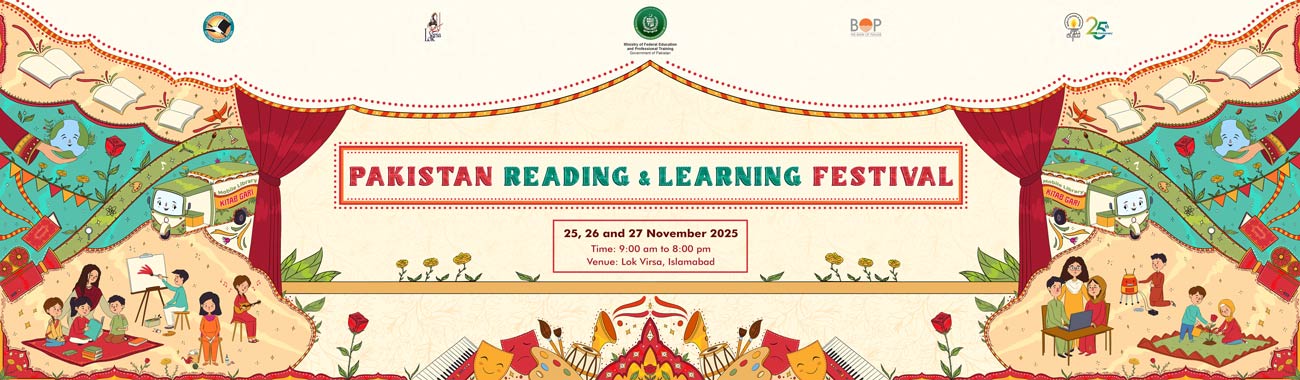
Pakistan Learning Festival is a social movement founded by the renowned educator-thought leader and activist, Baela Raza Jamil CEO of Idara-e-Taleem-o-Aagahi (ITA) and co-founded by the internationally and nationally awarded Ameena Saiyid, who headed a multinational corporation and pioneered ‘literature festivals’ in Pakistan; she is the Founder Director of the Adab Festival Pakistan. CLF’s growth is attributed to its open collaboration with numerous private, public, civil society organizations, foundations and development partners. CLF is the first national level largest learning festival with an outreach across Pakistan; it is ITA’s well known flagship program.
Kitab Gari is an innovative educational initiative addressing critical learning gaps among children in Pakistan. Since its inception, Kitab Gari has touched the lives of approximately 65,000 children in Karachi, providing them with engaging sessions covering essential life skills and crucial subject matter, including climate change awareness, financial literacy, electricity precautions, digital literacy, and mental health. By utilizing storytelling, game-based learning, and a unique coding/decoding methodology, Kitab Gari fosters critical thinking, creativity, and problem-solving skills, empowering children to thrive in the 21st century. Pre and Post Assessments: Children are assessed before and after participating in the program to measure their learning gains.
Many children in Pakistan face significant barriers to quality education. Traditional rote learning methods often prevail, leading to disengagement and hindering the development of essential skills. Furthermore, access to resources and information on critical topics like climate change, financial literacy, safety precautions, and mental well-being is often limited, particularly in underserved communities. This lack of access creates a knowledge gap, limiting children’s ability to make informed decisions and navigate real-world challenges effectively. This situation perpetuates cycles of disadvantage and hinders the overall development of Pakistan’s youth.
Kitab Gari tackles these challenges head-on by bringing interactive learning directly to children through its mobile educational program. The program’s core components include:
Climate Change Awareness: Children learn about the causes and effects of climate change, sustainable practices, and ways to contribute to environmental conservation.
Financial Literacy: Interactive lessons teach basic money management skills, budgeting, saving, and the importance of financial planning.
Electricity Precautions: Children learn about electrical safety, how to prevent accidents, and responsible energy consumption.
Digital Literacy: The program equips children with the skills to navigate the digital world safely and effectively, including online safety, responsible social media use, and basic computer skills.
Mental Health and Skill Development: Games and activities promote emotional well-being, resilience, and cognitive development, helping children build confidence and cope with challenges.
Mobile Educational Setup: Kitab Gari’s mobile setup consists of a specially equipped van containing all necessary learning materials, including interactive displays, games, books, and technology. This allows the program to reach even the most remote and underserved communities.
Teacher and Parent Engagement: Kitab Gari recognizes the importance of a holistic approach to education. The program offers workshops and training sessions for teachers to integrate Kitab Gari’s methodologies into their classrooms. Parent workshops are also conducted to share insights into modern educational techniques and encourage active participation in their children’s learning.
Kitab Gari’s flexible and adaptable program reaches children in a variety of settings, maximizing its impact across diverse communities:
Event 1: “Myth Busters with Anokhi Murghi” – GGSS Junior Model 1 PECHS Block II
Description:
In the first week of May, Kitab Gari visited GGSS Junior Model 1 PECHS Block II, engaging primary-grade girls in a transformative learning session. The story Anokhi Murghi, which celebrates individuality and questions social conformity, was read aloud with dramatic expression to foster emotional connection. Following the storytelling, a “Red Flag / Green Flag” activity was conducted where students responded to various statements—such as “Only boys can become scientists” or “Girls can also lead a team”—by holding up red flags for myths and green for facts. The activity triggered lively discussions, personal reflections, and group debates.
Impact:
The session empowered young girls to challenge long-held stereotypes and boosted their confidence in expressing opinions. Teachers observed a visible shift in the students’ willingness to speak up and question outdated ideas. Many girls expressed how the story reminded them of their own experiences and aspirations.
Event 2: “Origami & Observation” – Govt Boys Secondary School No. 1, Day 1
Description:
Kitab Gari launched its week-long visit at Govt Boys Secondary School No. 1 PECHS Block II with a creative literacy session for Grades 1–5. The session featured the beautifully illustrated story Meri Billi Ki Tasveer, followed by an origami workshop where children folded colorful paper into shapes representing key elements from the story. Facilitators guided students to reflect on what each image represented in their own lives—like pets, favorite objects, or memories.
Impact:
Students demonstrated improved story comprehension, focus, and symbolic thinking. The hands-on component helped bridge narrative understanding with visual learning. Teachers noted the calming effect of origami and the joy it brought to students who rarely engage in arts-based activities.
Event 3: “Build Your Book” – Govt Boys Secondary School No. 1, Day 2
Description:
The second day brought Seema Ki Laal Kitaab to life for Grade 3 students—a story about creativity, curiosity, and respectful collaboration. After listening, students were encouraged to imagine their own books. Each child designed a cover, invented a title, and drew pages of a fictional story that mattered to them—ranging from adventures and animals to memories and dreams.
Impact:
This activity tapped into students’ imaginations and deepened their literacy engagement. For many, it was their first time being “authors.” The exercise not only improved creative writing and visual storytelling but also allowed facilitators to better understand students’ personal interests and emotional worlds.
Event 4: “Name It with Pride” – Govt Boys Secondary School No. 1, Day 3
Description:
Younger students participated in a playful yet meaningful activity designed to build identity and confidence. In the “Name Learning” session, each child wrote their name in bold letters and decorated it with drawings, stickers, or patterns that reflected their personality. Children then presented their names to the class, sharing what they liked about themselves.
Impact:
The activity promoted self-awareness, vocabulary building, and a sense of belonging. Facilitators observed children smiling proudly as they held up their names—some learning the spelling for the first time. It also helped classmates learn each other’s names, creating a more connected and inclusive environment.
Event 5: “Through the Looking Glass” – TCM Girls Primary School, Day 1
Description:
TCM Girls Primary School welcomed Kitab Gari with an insightful session on self-reflection. The story Murgha aur Aaina explored how we see ourselves and how others perceive us. After storytelling, children participated in a drawing activity titled “My Favorite Thing,” where they illustrated objects or activities that brought them happiness—ranging from dolls to sunshine to mangoes.
Impact:
The session encouraged emotional expression, built self-esteem, and helped students articulate their joys. Teachers noticed a new openness among children to talk about their personal likes and feelings, which is often absent in conventional classroom settings.
Event 6: “Reema’s Courage & Calm” – TCM Girls Primary School, Day 2
Description:
On Day 2, the story Bahadur Reema was shared—a tale of a brave girl who stands up for what’s right. Following the reading, facilitators introduced mindfulness and breathing exercises to teach emotional regulation. Students then drew scenes from the story that inspired them or reminded them of moments when they showed courage.
Impact:
Children gained an appreciation for both inner strength and calmness. The session contributed to mental wellness and taught skills for handling stress. Several students commented on how they could use breathing exercises at home or during exams.
Event 7: “Compassionate Climate Champions” – TCM Girls Primary School, Day 3
Description:
Responding to the ongoing heatwave, Kitab Gari led a special Mahol Gari session focusing on climate and compassion. Students learned about the impact of extreme weather on people and animals, followed by a hands-on activity where they crafted bird feeders from recycled materials like paper cups, cloth scraps, and string.
Impact:
Children developed empathy toward the environment and took ownership of small actions that can make a difference. Many shared plans to hang their feeders at home. The integration of climate literacy and art left a lasting impression, especially as children reflected on their role as caretakers.
Event 8: “Think, Fold, Create!” – Creativity Booster Session
Description:
As part of creative learning integration, Kitab Gari conducted a workshop that combined guided storytelling with folding exercises. Children created paper symbols like boats, stars, and animals, linking each to story moments or emotions. They were asked to explain their designs, enhancing articulation and memory.
Impact:
The activity strengthened storytelling retention and added a kinesthetic dimension to learning. It especially benefited students who struggle with verbal expression but thrived through hands-on engagement.
Event 9: “Mindful & Meaningful” – Calm Corners Activation
Description:
Throughout May, “Calm Corners” were introduced in classrooms as silent zones with drawing materials, storybooks, and breathing prompts. These corners offered safe spaces for children to retreat, reflect, and regroup.
Impact:
Teachers noted reduced disruptive behavior and increased focus among students using the corners. Children felt empowered to self-regulate and even taught breathing techniques to their peers.
Impact and Evaluation
Kitab Gari has made a significant impact on the educational landscape in Pakistan, reaching approximately 65,000 children through its diverse programs and initiatives. This reach demonstrates the program’s effectiveness in delivering engaging and impactful learning experiences. Kitab Gari tracks its impact through various methods, including:
Kitab Gari is concurrently funded through [mention funding sources]. To ensure long-term sustainability and expand its reach, Kitab Gari is actively seeking partnerships with individuals, organizations, and corporations. Plans for scaling up include:
Kitab Gari is a transformative initiative to empower Pakistan’s children with the knowledge, skills, and confidence they need to succeed. By bridging educational gaps and fostering a love for learning, Kitab Gari is building a brighter future for the next generation. The program is committed to continuous improvement and expansion, ensuring that every child has access to quality, engaging, and impactful learning experiences.
Kitab Gari invites individuals and organizations to join its mission of empowering Pakistan’s children. By partnering with Kitab Gari, you can directly contribute to providing access to quality education and creating a more equitable and prosperous future for all. Contact us to learn more about how you can get involved.
Why is there a day dedicated to books? What makes books so special that April 23rd is set aside every year across the globe just to celebrate them? Perhaps it’s because books are time machines, empathy generators, and imagination igniters—all wrapped into one. At Idara-e-Taleem-o-Aagahi (ITA), we believe books don’t just fill shelves; they shape lives. That’s why we don’t wait for just one day to celebrate books—but this World Book Day, we made sure to do something extra special.
To mark the occasion, we hosted a lively and engaging event with students from Gulestan-e-Syedda School, Gulberg, at our vibrant community library in Lahore. The day was filled with stories, questions, creativity, and a deep dive into the world of books—ending with an exciting exploration of our Kitab-Mahol Gari (KMG), our mobile learning library.
We began the celebration by welcoming the students with a guided tour of our library, where they were introduced to the diverse collection of books curated for children and young readers. Their eyes lit up at the sight of colorful illustrations, comics, and timeless classics.
The highlight of the morning was a storytelling session on Seema Ki Laal Kitaab. As we read aloud from the story, the children sat in rapt attention, absorbing every twist and turn. What followed was a vibrant discussion, with one curious child asking, “Why should we take care of books when they don’t feel pain?” Questions like these reveal the critical thinking and empathy that literature inspires in young minds—one of the many reasons UNESCO celebrates World Book Day as a way to encourage reading and respect for authors and books around the world.
We then transitioned into a hands-on book-making activity, dividing the children into two groups. Each group created their own book cover—complete with original stories and characters. The results were a celebration of creativity: stories of friendship, tolerance, and embracing differences emerged, showcasing how literature can be both personal and universal.
This kind of activity is more than just fun; research shows that creative expression through storytelling improves cognitive development and emotional intelligence in children (National Literacy Trust, UK).
Books may not feel pain—but they certainly deserve our care. We followed the activity with a session on book care etiquette. Children were taught how to:
Through storytelling and playful reminders, we helped instill a sense of responsibility and appreciation for the physical and emotional value of books.
To wrap up the celebration, the students were taken on a tour of our Kitab-Mahol Gari (KMG)—our mobile learning rickshaw that brings books and learning resources to underserved communities. The excitement was contagious as students explored the interactive spaces in the Gari, played educational board games, and browsed through storybooks with facilitators guiding them through each component. The KMG is part of our mission to ensure access to literacy and joy of learning for every child, regardless of where they live.
Books open doors to imagination, empathy, and discovery—and on World Book Day, we opened those doors even wider. At ITA, through platforms like Kitab Gari and our community libraries, we continue to nurture the love for books in every corner of the country. Because while World Book Day may come just once a year, we believe every day should be a celebration of stories.
The Punjab School Education Department, in collaboration with Idara-e-Taleem-o-Aagahi (ITA), has launched 12 new children’s books as part of the Silver Jubilee celebrations.

The initiative aims to promote reading habits and enrich children’s literature in the province.
Punjab Information Minister Azma Bokhari attended the event as a special guest, alongside Secretary Schools Education Punjab Khalid Nazir Wattoo, Parliamentary Secretary Nosheen Adnan, DG PLAQUE Benish Fatima Sahi, Chief Minister’s Focal Person Shakeel Ahmed Bhatti, CDO Punjab Saeed-ul-Hasan, and Executive Director of the Center for Public Policy and Governance Saeed Shafqat.
During the event, Azma Bokhari actively engaged with children, participating in book reading sessions and other activities. She highlighted the importance of such initiatives in shaping an educated and progressive society.
The information minister also praised the Punjab government’s ongoing efforts to improve education, from providing school meals to offering scholarships for higher education.
She interacted with children through storytelling sessions, chess games, and writing exercises.
The event concluded with Bela Raza Jamil, CEO of ITA, giving a comprehensive briefing to the guests on the organization’s efforts in promoting literacy and education.
Azma Bokhari says launch of such books for children is a clear proof of development of society
LAHORE: (UrduPoint/UrduPoint / Pakistan Point News-Jan 31st, 2025) In collaboration with the Punjab school Education Department and” ITA “ 12 new children’s books were launched in connection with the Silver Jubilee anniversary celebrations, with the special guest being Provincial Minister for Information and Broadcasting Azma Bokhari.

The guests included Secretary Schools Education Punjab Khalid Nazir Wattoo, Parliamentary Secretary Schools Education Nosheen Adnan, DG Plaque Benish Fatima Sahi, Chief Minister’s Focal Person Shakeel Ahmed Bhatti, CDO Punjab Saeed-ul-Hasan, Executive Director Center for Public Policy and Governance Policy FC University Saeed Shafqat and other important personalities.
Provincial Minister for Information and Culture Punjab Uzma Bukhari, while engaging with children in the book drive activities, said that the launch of such books for children is a clear proof of the development of our society.
The credit for the positive policies of the Punjab government goes to Chief Minister Punjab Maryam Nawaz, who is active day and night for the education of children. Maryam Nawaz is busy with everything from providing food to children of schools to providing scholarships to higher education students. The provincial information minister read stories with the children, played chess and observed the children’s writing skills. Finally, Bela Raza Jamil, Chief Executive Officer of Idara Talaaim Aghahi(ITA) gave a detailed briefing to all the guests.